Our Projects

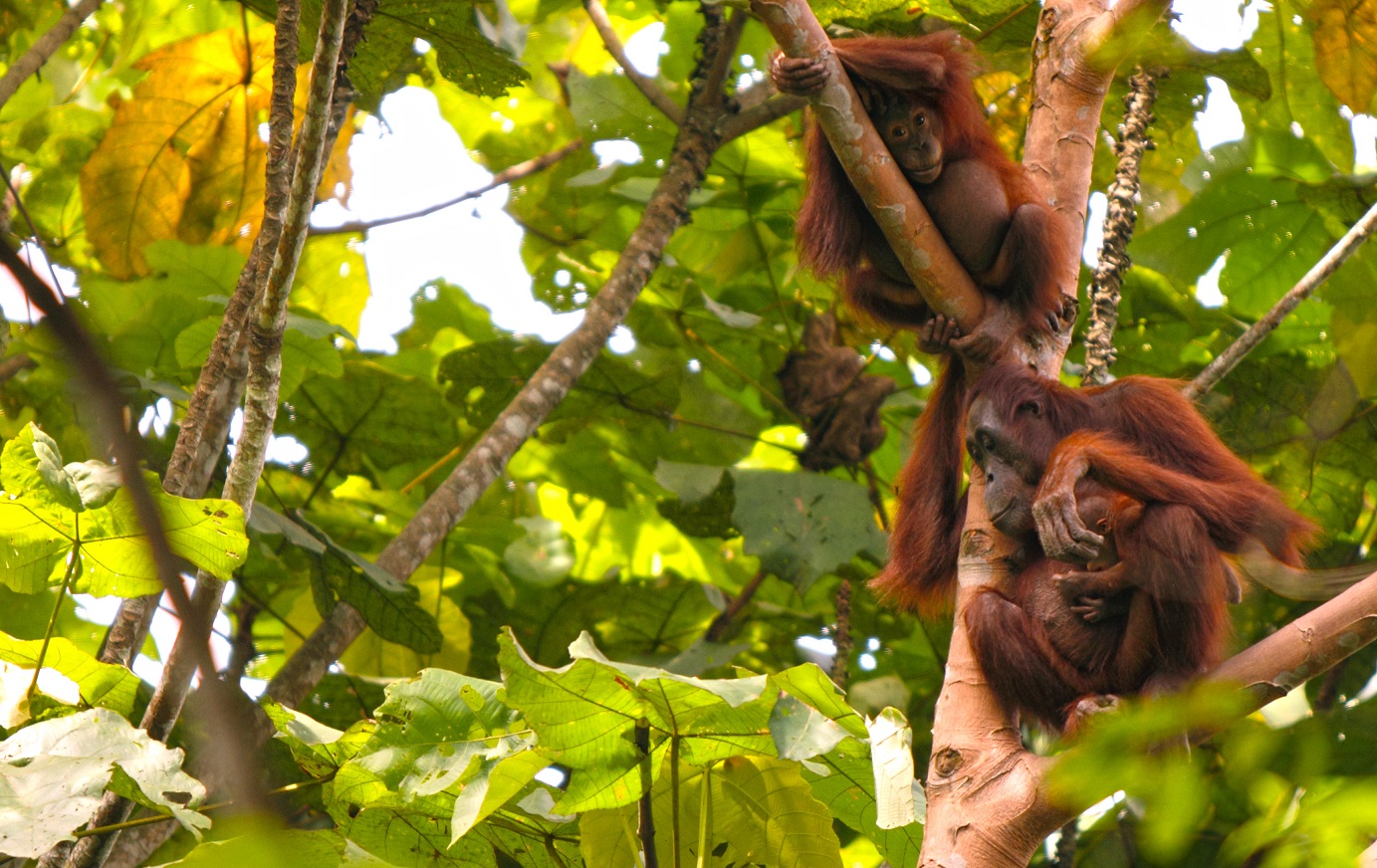
The Orangutan Conservancy (OC) is dedicated to the protection of orangutans in their natural habitat through wild research, capacity building, education and public awareness programs.
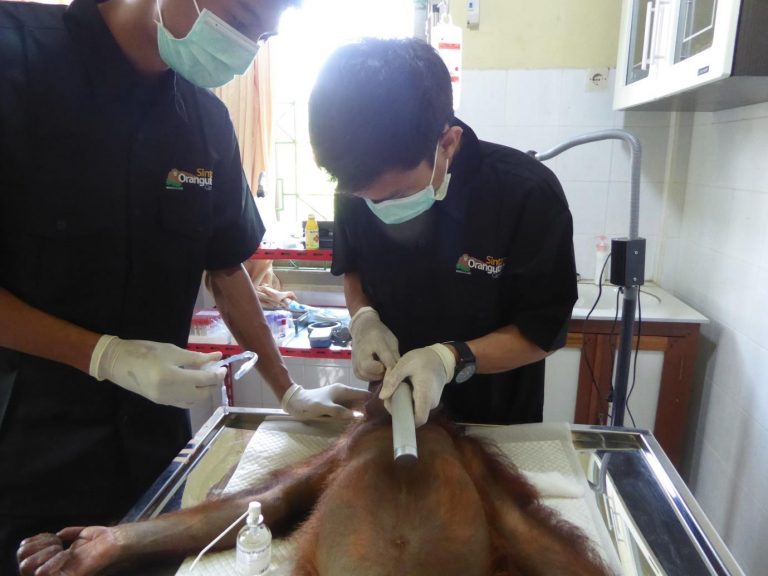
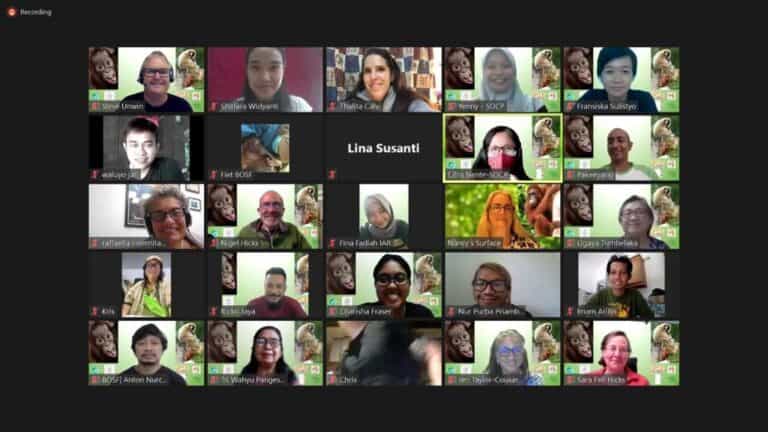
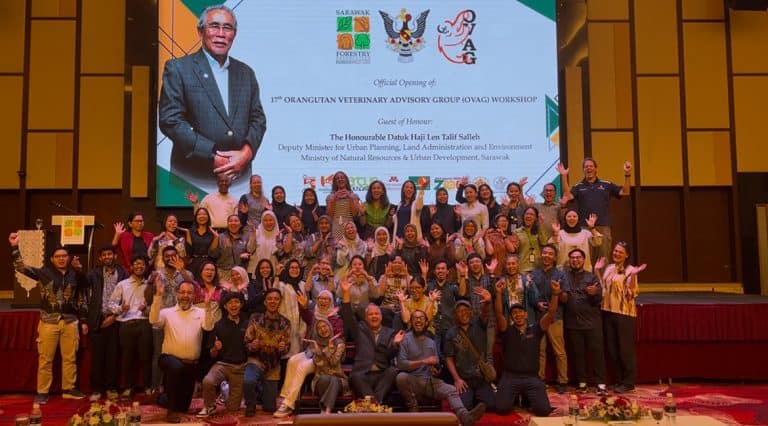
In July 2025, the Orangutan Conservancy helped bring together veterinarians, researchers, and conservation leaders from across Southeast Asia and beyond for the Orangutan Veterinary Advisory Group (OVAG) Workshop—five days dedicated to improving the health and welfare of orangutans and other primates.
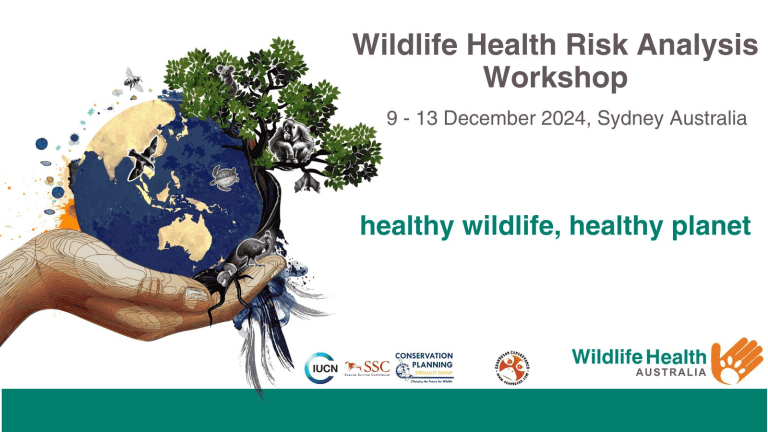
We supported Wildlife Health Australia in hosting a workshop that brought together wildlife health professionals from across the Asia-Pacific. The event focused on assessing and managing risks to wildlife, connecting policy with practice, and building a regional network of trained professionals. Outputs included case studies for a global guide and a professional development module for ongoing learning.
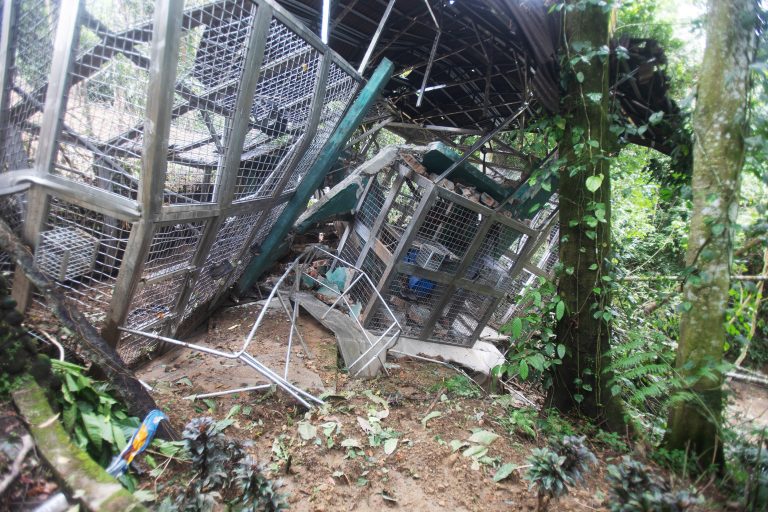
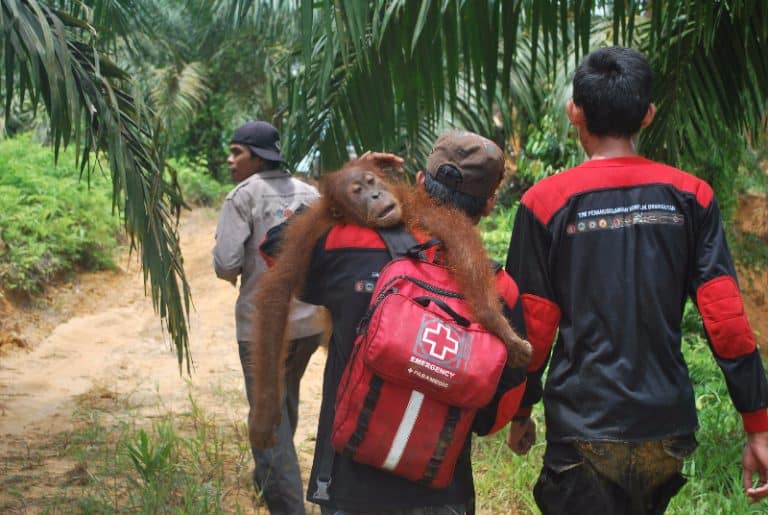
A devastating landslide has caused severe damage to the SOCP Orangutan Quarantine and Rehabilitation Center in North Sumatra, a vital facility for rescuing and rehabilitating displaced orangutans. While all staff and orangutans are safe, critical repairs are urgently needed to damaged enclosures and access roads to ensure the center can continue its lifesaving work.

Explore Other Projects

Explore more projects that The Orangutan Conservancy has funded. 

The Sintang Orangutan Center is a rescue and rehabilitation center located in Sintang, West Kalimantan, Indonesia. They service all areas of West Kalimantan and currently have 38 individuals in their care. In recent years (2017-2019) SOC has released 5 individual orangutans to the Betung Kerihun National Park Forest in Putusibau, Kapuas Hulu.
The Orangutan Conservancy has chosen OIC's Human Orangutan Conflict Response Unit (HOCRU)  for our focus on funding. The HOCRU is a specialist team of Indonesian conservationists, responsible for investigating, assessing, and mitigating any reported instances of conflict between farmers and orangutans around the Leuser Ecosystem, northern Sumatra, Indonesia
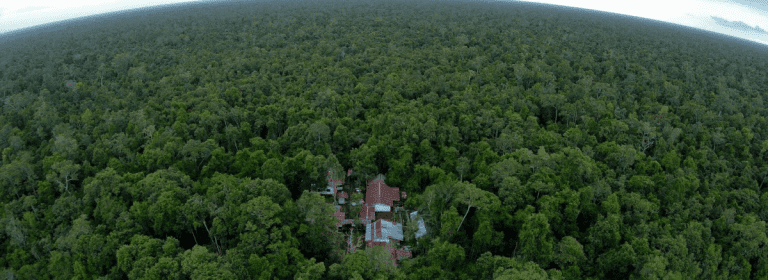
stablished in 1999, the Orangutan Tropical Peatland Project (OuTrop) – now a programme of the Borneo Nature Foundation – is dedicated to helping protect, restore and regenerate the Sabangau Forest through research, training and conservation support. The 6,300 km2 area of peat-swamp forest in Sabangau is home to the world’s largest orangutan population, which OuTrop currently estimates at approximately 6,900 individuals, making it of critical importance for the conservation of the species.
The primary goal of the Sumatran Orangutan Conservation Programme (SOCP) is the conservation of the Sumatran orangutan, a species currently listed as ‘Critically Endangered’ by the IUCN (International Union for the Conservation of Nature and Natural Resources). With only about 6,000 Sumatran orangutans remaining, in increasingly fragmented forest patches, time is running out.
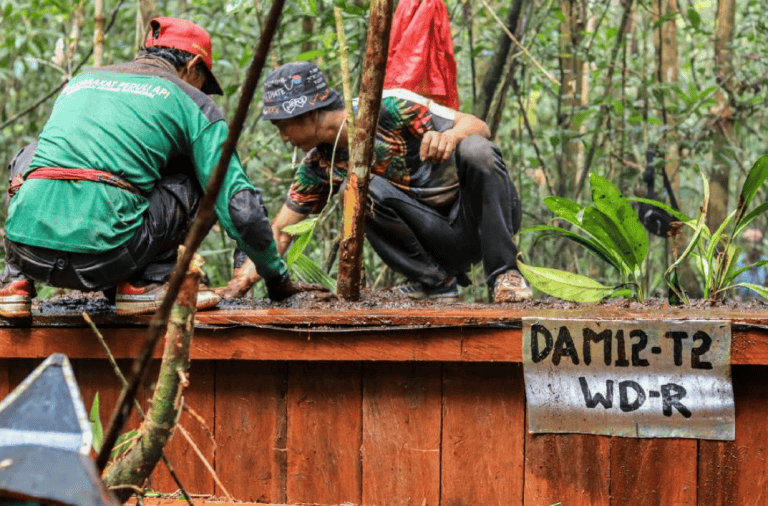
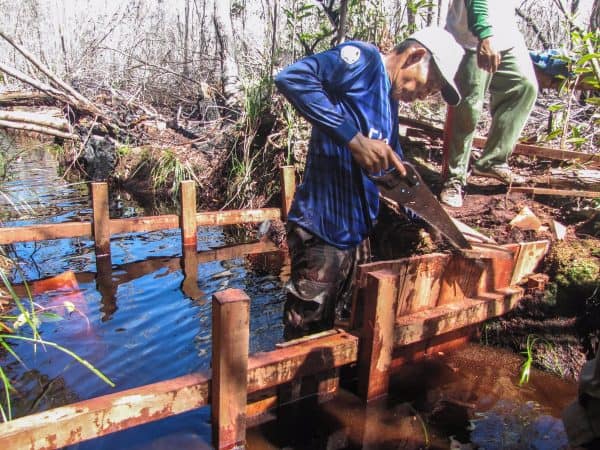
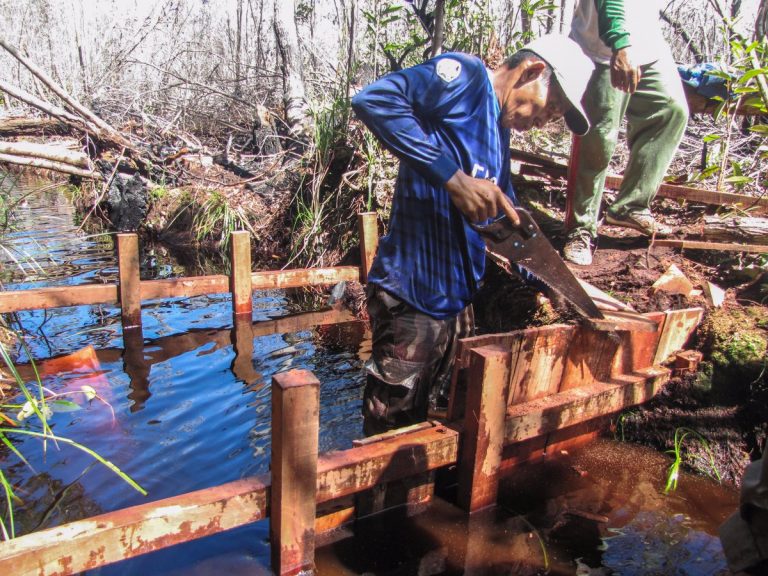
Borneo Nature Foundation has recently been approved for a grant to develop a boardwalk as part of their plan to reforest the Kanal Ruslan area in Central Kalimantan. The proposed boardwalk development will assist the reforestation team and community nursery in their effort to expand the planting area. The work will also combat worsening road conditions as these areas are being constantly traversed. The boardwalk will provide new infrastructure to the area for current and future conservation initiatives.
Due to the serious conditions of the pandemic, the Orangutan Conservancy has granted emergency funding to the Sumatran Orangutan Conservation Programme (SOCP). The terms of the proposal submitted by SOCP detail the use of the funds to be allocated to COVID-19 testing for all staff members to ensure the safety of both staff members and resident orangutans in their care.
The Orangutan Conservancy is proud to announce the funding of HUTAN. Over the last 20 years, the HUTAN research teams have been working with wild orangutans throughout the Kinabatangan landscapes.
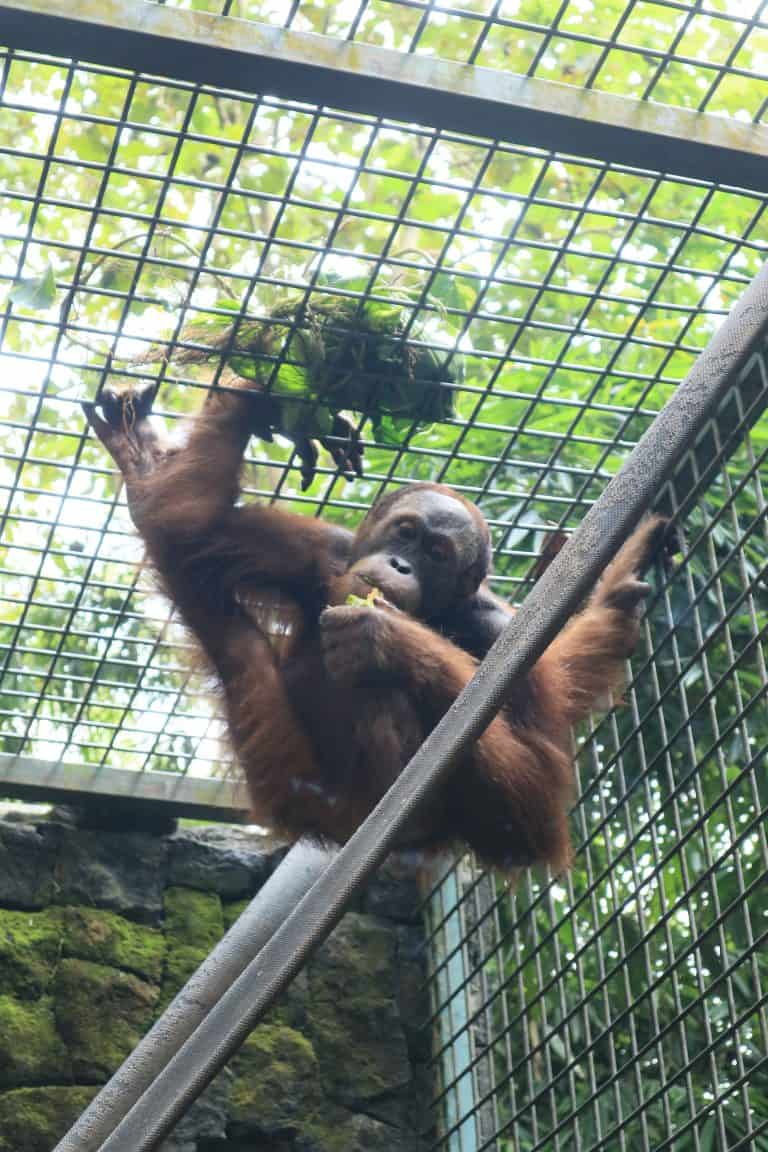
The Orangutan Conservancy is proud to support WRC Jogja, a nonprofit wildlife rescue and rehabilitation centre in Yogyakarta, Indonesia. Since 2003, the centre has cared for over 1,000 animals—releasing more than 800 back into the wild. This funding helps WRC Jogja provide food and ongoing care for its resident primates, including seven orangutans, and supports the dedicated keepers who care for them during a challenging time.
The Orangutan Conservancy has awarded funding to The Borneo Nature Foundation (BNF) for their proposal to enhance the infrastructure of the Sebangau Forest, a peat swamp over 500,000 hectares in size, in Borneo.
Borneo Nature Foundation has recently been approved for a grant to develop a boardwalk as part of their plan to reforest the Kanal Ruslan area in Central Kalimantan.
The first panel for OVAG Day 2 was on ape husbandry and the welfare in both zoo and rehabilitation contexts. The panelists for this session included Drh. Yenny Saraswati, Dr. Jennifer Elston, zookeeper Ida Lewis, Conservation Manager Josephine Vanda, and zookeeper Cindy Cossaboon. The entirety of the panel consisted of topics including medical procedure training, enrichment, handicapped orangutans, orangutan diet, geriatric care, improving shifting compliance, reintroduction of hand-reared baby orangutans to their mother/surrogate, and the orangutan’s dislike of specific staff.
Subscribe to our newsletter!