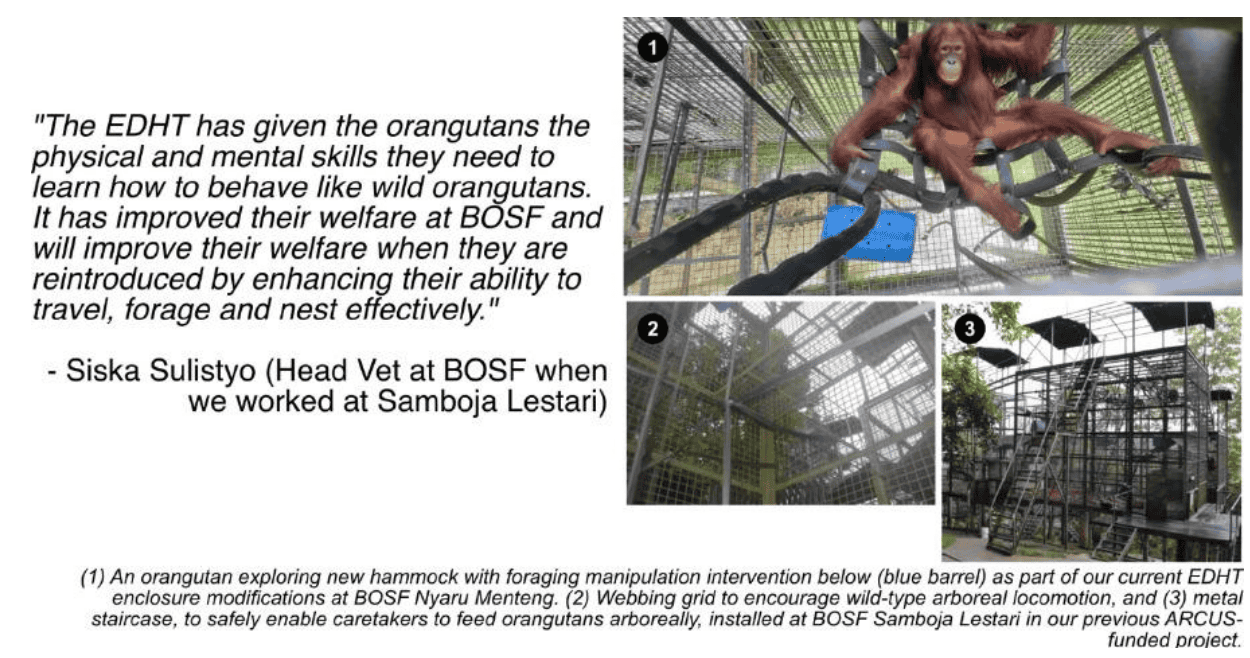

Rehabilitating orangutans is a complex task. Young orangutans must develop the skills, strength, and behaviors they would normally learn from their mothers over 8–10 years in the wild. Achieving this “wild-type behavioral profile” is essential for their welfare and post-release success—but it’s challenging under typical rehabilitation centre conditions.
The University of Birmingham, led by Dr. Jackie Chappell with co-investigators Prof. Susannah Thorpe and Dr. Nadine Sugianto, is implementing the project “Building Strength and Expertise” to support orangutan rehabilitation centres. Orangutan Conservancy is proud to support this initiative, which equips centers with evidence-based tools, training, and practical guidance to improve welfare and post-release outcomes.
Goals and Objectives:
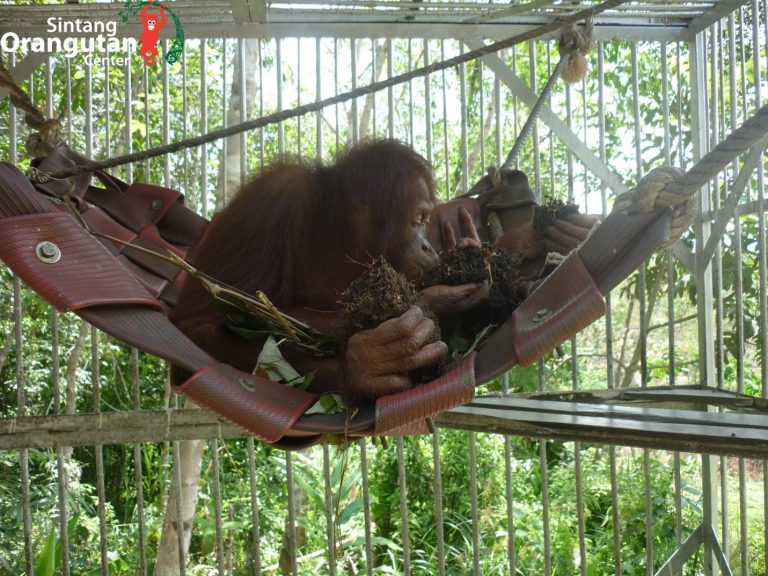
- Improve welfare and skills development: Develop innovative, practical, and affordable enclosure modifications—especially for night cages—and husbandry practices that help rehabilitant orangutans acquire the behaviours they need in the wild.
- Train staff in skill-building: Teach centre staff how to foster strength, stamina, and wild-type behaviours in orangutans throughout all stages of rehabilitation.
- Build data-driven decision-making: Train staff in collecting data and using the Enclosure Design and Husbandry Tool (EDHT) and Monitoring and Release Assessment Tool (MRAT), supporting evidence-based management.
- Support community culture change: Nurture “community champions” at each centre to motivate colleagues, share best practices, and sustain long-term improvements in orangutan care.
Methodology and Activities:
- Conduct research at Nyaru Menteng Rehabilitation Centre to design and test innovative enclosure modifications and husbandry interventions.
- Collect pre- and post-release data to assess which skills rehabilitant orangutans acquire—or fail to acquire—after release.
- Translate scientific knowledge on wild orangutan behaviour into accessible training resources for the community in English and Bahasa Indonesia.
- Deliver hands-on training, webinars, and one-on-one support to build staff capacity and create a sustainable Community Training Programme.
- Produce detailed construction guides, instructional videos, and practical materials for easy replication at other centres.
Impact:
By the end of this project, rehabilitation centres will have:
- Evidence-based methods to develop wild-type skills in orangutans.
- Practical tools to assess enclosures and release readiness.
- Trained staff and community champions to sustain best practices across the region.
This initiative strengthens orangutan welfare and supports long-term success in rehabilitation, ensuring rescued orangutans are prepared to return to the wild with the behaviors and skills they need to thrive.