
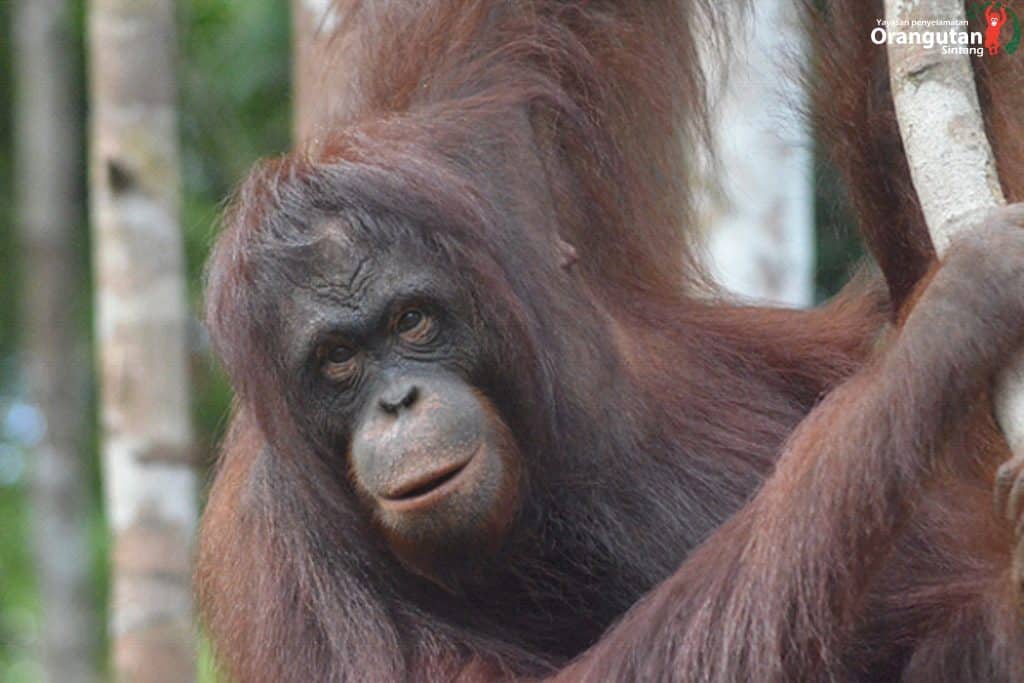
In the age of social media, a single image can shape how millions perceive wildlife. Photos of “smiling” orangutans or baby chimpanzees in human arms may seem harmless, but these images often blur the line between affection and exploitation—and can even encourage the illegal wildlife trade.
A new report from the IUCN SSC Primate Specialist Group – Section for Human–Primate Interactions (SHPI), Best Practices for Responsible Images of Nonhuman Primates, explores how visual media can either support or harm primate conservation. The publication outlines guidelines for photographers, organizations, and everyday users to share images that educate rather than endanger.
The Hidden Impact of “Cute” Content
Images of primates in human-like poses or wearing clothes may attract attention online—but they send the wrong message. Studies show that when great apes are portrayed alongside humans or in unnatural settings, viewers become more likely to see them as potential pets and less likely to recognize them as endangered (Ross et al., 2008).
These portrayals can directly undermine conservation goals. Seemingly innocent “selfie” or “pet” videos normalize exploitation, often concealing violent origins: infants taken from the wild after their mothers were killed, or captive animals forced into unnatural behaviors. Once these images go viral, they perpetuate a dangerous cycle of demand.
Ethical Guidelines for Image Sharing
The IUCN SHPI report recommends a clear framework for sharing primate-related imagery responsibly. Among its key principles:
- Avoid photos showing human–primate contact.
Images depicting direct touch or close proximity reinforce the misconception that primates can safely interact with humans. - Show primates behaving naturally.
Favor depictions of animals in wild habitats or accredited sanctuaries, where behaviors reflect their true ecological and social lives. - Add educational context.
Every image should tell part of a conservation story—explaining where the animal lives, what threats it faces, or how people can help. - Verify and credit ethically obtained content.
Use images sourced from conservation projects, sanctuaries, or reputable photographers who follow ethical standards. - Discourage harmful portrayals.
When encountering misleading or exploitative content, use comment threads or reporting tools to provide accurate information and discourage sharing.
Why Social Media Matters
Platforms like Instagram, TikTok, and YouTube are increasingly aware of their influence on wildlife perceptions. Campaigns such as the #WildlifeSelfieCode have led to new policies that warn users against posts promoting wild animals as props. But lasting change depends on individual responsibility—from influencers and travelers to conservation NGOs.
The Takeaway: Protect Through Perspective
Images are powerful tools for conservation when shared responsibly. The next time you post a primate photo, ask: Does this image help people understand the species—or just entertain them?
By following the IUCN SHPI’s best practices, we can each play a role in ending exploitative imagery and amplifying the message of respect, protection, and coexistence.
🔗 References & Further Reading
- IUCN SSC Primate Specialist Group – Section for Human–Primate Interactions (2021). Best Practices for Responsible Images of Nonhuman Primates.
- Ross, S. R., et al. (2008). “Inappropriate Use and Portrayal of Chimpanzees.” PNAS.
- Asia For Animals Coalition. “Wild animal ‘pets’ on social media: A vicious cycle of suffering”